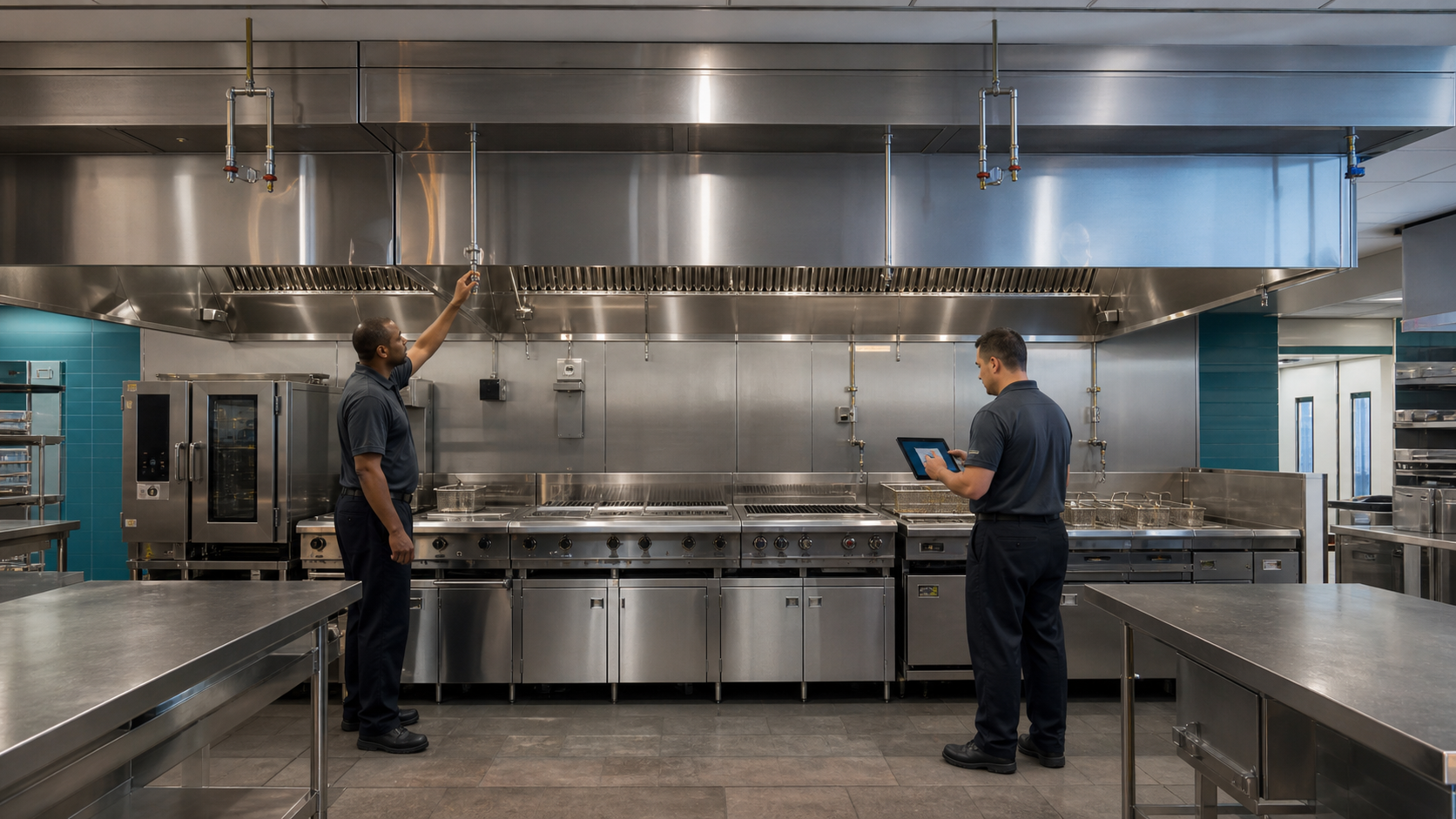
Coordinate Multi-Location Restaurant Fire Suppression in Broward County
Kitchen Hood Fire Suppression Broward works with multi-location restaurant operators that need organized commercial kitchen hood fire suppression and fire protection service information across Broward County. Franchisees, regional managers and ownership groups can submit several sites while preserving location-specific service dates, access details and system conditions.
Organizing Broward County Restaurant Fire Suppression Dates
Broward County restaurant groups should maintain a list containing each address, manager, service-tag date, protected hoods and known deficiencies. A complete location list helps reveal upcoming or overdue locations and supports a focused scheduling review for commercial kitchen hood fire suppression and fire protection services.
For a multi-location operator, central coordination begins with details that remain useful at the individual restaurant. Include the current manager, access details, service-tag date, protected hoods and any known system conditions for every property. This creates a clearer starting point than a generic portfolio request.
Each kitchen retains its own scope. Restaurants may have different fire suppression equipment, cooking appliances, access requirements and service histories, even when they are managed by the same ownership group. Keeping this information tied to the correct location supports more useful scheduling conversations.
A shared calendar can help organize recurring fire suppression service dates, but it does not mean every restaurant has identical conditions. Review the details for each Broward County kitchen before assuming that sites can be handled in the same way or on the same date.
Restaurant groups can provide the number of locations and current priorities when requesting service. Access information, manager contacts and the status of each location help keep the conversation connected to the actual kitchens that need commercial kitchen hood fire suppression and fire protection services.
Several restaurant locations to coordinate? Start with each kitchen's current service date and access details.
Request Group SchedulingEach Restaurant Keeps Its Own Fire Suppression Scope
A restaurant group may operate several kitchens across Broward County, but each location should remain identifiable in the service record. The address, local manager, protected hoods, service-tag date and known deficiencies belong to that property rather than to the portfolio as a whole.
Location-Specific Details
Record the address, manager and access details for each restaurant. These practical details help distinguish one kitchen from another when recurring service dates are being reviewed.
Protected Hoods
List the protected hoods at each site. A restaurant group should not assume that all kitchens have the same equipment or the same commercial kitchen hood fire suppression service needs.
Known System Conditions
Keep known deficiencies and cooking-equipment changes connected to the correct restaurant. Information from one kitchen should not be used as a substitute for the conditions at another location.
Service Dates by Property
Service-tag dates should remain tied to the individual property. This makes upcoming and overdue locations easier to identify during a scheduling review.
A portfolio view is useful only when it preserves the details of every kitchen. Restaurant groups can review semiannual fire suppression scheduling while keeping each location's information distinct.
Grouped Scheduling Depends on Actual Dates and Availability
Multi-site fire protection service can be easier to coordinate when a restaurant group reviews existing dates, site access and current priorities together. Potential grouping depends on those actual details and appointment availability, not simply on the fact that locations share an operator.
Review Existing Dates
Start with the service-tag date at each location. A complete list helps identify which sites may be upcoming or overdue and which dates need further review.
Confirm Site Access
Access details can differ from one restaurant to the next. A knowledgeable manager at every kitchen helps keep scheduling information connected to the correct property.
Consider Current Priorities
Known deficiencies, cooking-equipment changes and location-specific conditions should be considered with the restaurant's own record rather than generalized across the group.
Review Availability
Potential grouping depends on appointment availability as well as the dates and details for each Broward County restaurant location.
Grouped scheduling should be reviewed, not assumed.
Not sure which locations can be coordinated? Provide the number of sites, current dates and access details for review.
Semiannual Fire Suppression SchedulingConsistent Fire Protection Communication Across Broward County Locations
Broward County multi-site fire protection service benefits from one administrative contact and a knowledgeable manager at every kitchen. Central coordination can organize service information while local contacts help ensure reports, equipment changes and activation history remain tied to the correct property.
One Administrative Contact
An administrative contact can assemble the number of locations, current priorities and available records for the restaurant group. This creates a single point for coordinating information without removing location-specific details.
A Knowledgeable Kitchen Manager
A manager at each restaurant can provide local access details and identify changes in the kitchen. Local information matters because a central record may not reflect every cooking-equipment change or current system condition.
Reports and Records
Reports, service-tag dates, protected hoods and known deficiencies should remain assigned to the right property. Keeping records distinct supports clearer recurring service planning across Broward County.
Cooking-Equipment Changes
Each manager should report cooking-equipment changes. Local managers may know about changes that do not appear in central records, and those details should be associated with the correct kitchen.
For restaurant groups, organized communication supports commercial kitchen hood fire suppression and fire protection services across Broward County without treating separate properties as identical. Learn more about restaurant fire suppression services.
What Information Helps Coordinate Restaurant Group Service?
When requesting commercial kitchen hood fire suppression and fire protection services for multiple restaurants, begin with the number of locations and the group's current priorities. This gives the scheduling discussion a practical starting point while allowing every kitchen to retain its own service information.
For each Broward County restaurant, provide the address, current manager, service-tag date, protected hoods, access details and known deficiencies. These details help identify the locations that need attention and prevent a group request from becoming too general to be useful.
Cooking-equipment changes and activation history should also remain connected to the correct property. A restaurant group may share management, but each kitchen's equipment and system conditions can differ from the others.
A scheduling review can consider recurring dates across the group while recognizing site-specific requirements. Grouped scheduling is based on actual dates, access and appointment availability, so it should be discussed rather than presumed.
Routine planning is easier when service information is collected before the request. The kitchen hood fire suppression inspection service page provides another starting point for restaurant operators reviewing their needs.
Commercial Kitchen Fire Suppression Services for Multiple Locations
Restaurant operators can coordinate inspection, semiannual recurring service, maintenance, repair and deficiency correction, recharge and reset, modification, installation and replacement needs across Broward County. Every location should be reviewed according to its own service information and system conditions.

Inspection
Inspection service can be planned around the records, protected hoods and access details for each restaurant location.
View service →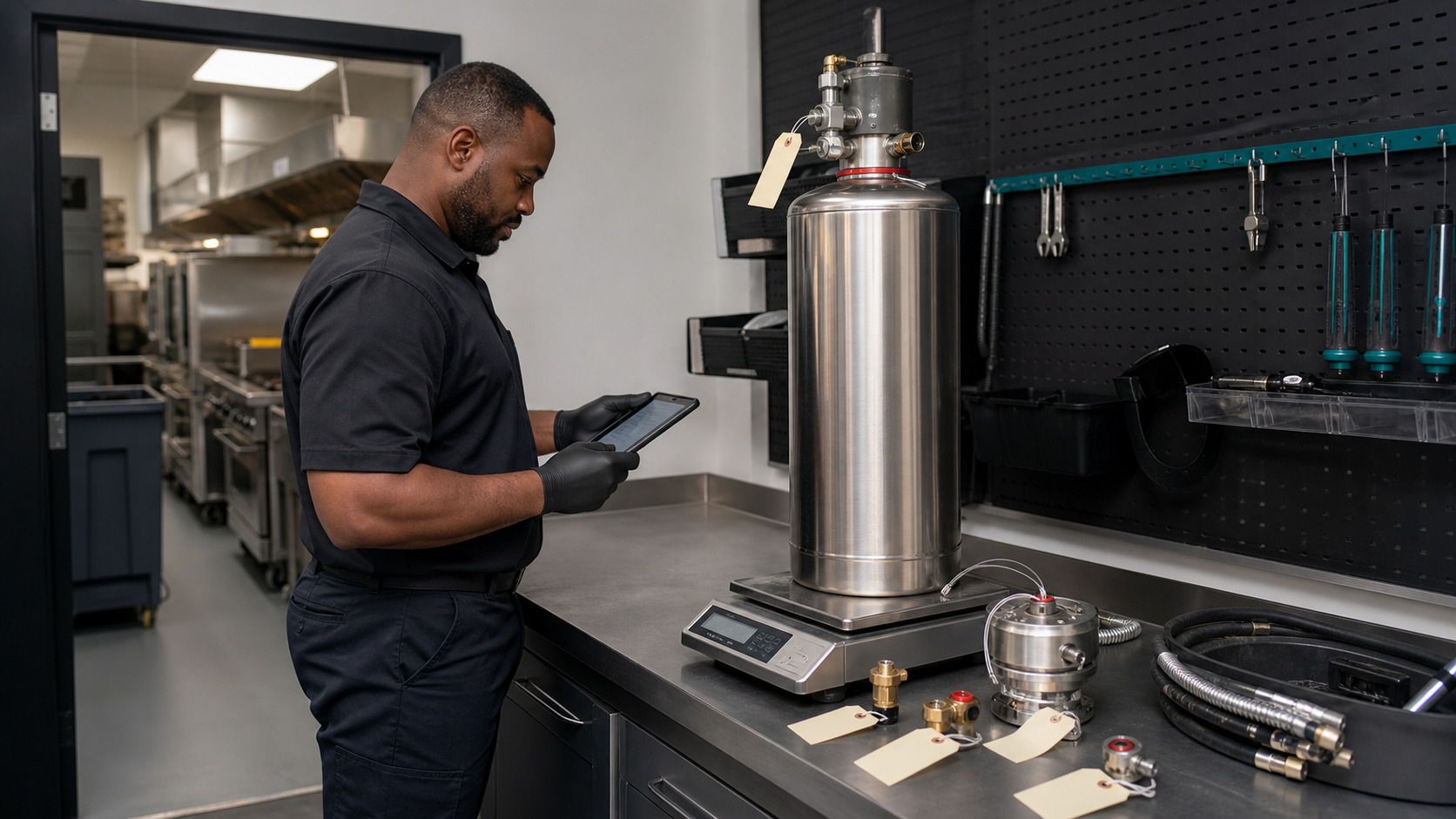
Semiannual Recurring Service
Semiannual recurring service scheduling can be reviewed alongside each property's current service-tag date and location-specific priorities.
View service →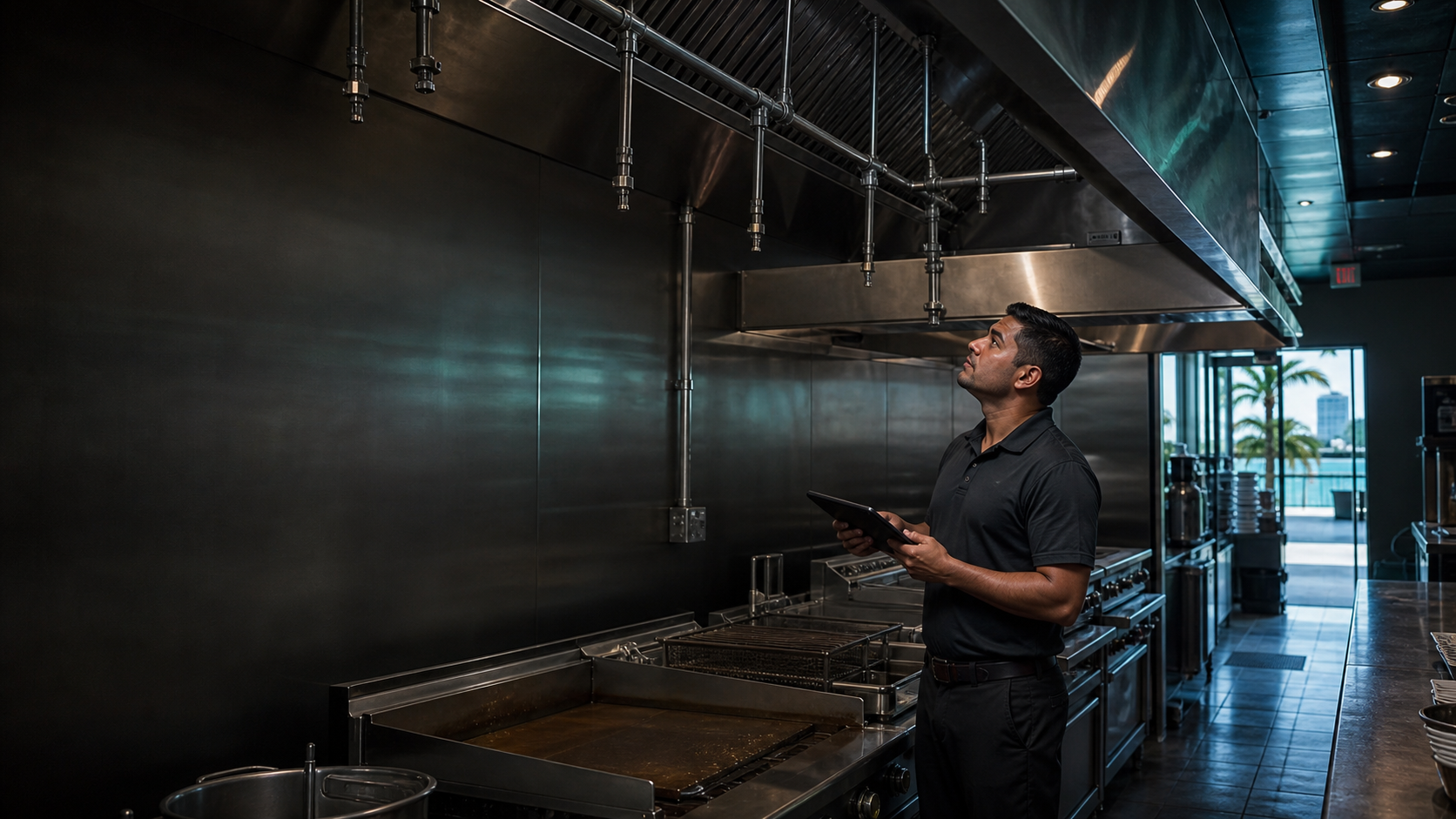
Repair and Deficiency Correction
Known deficiencies should remain tied to the property where they were identified so that follow-up service is coordinated with the correct kitchen.
View service →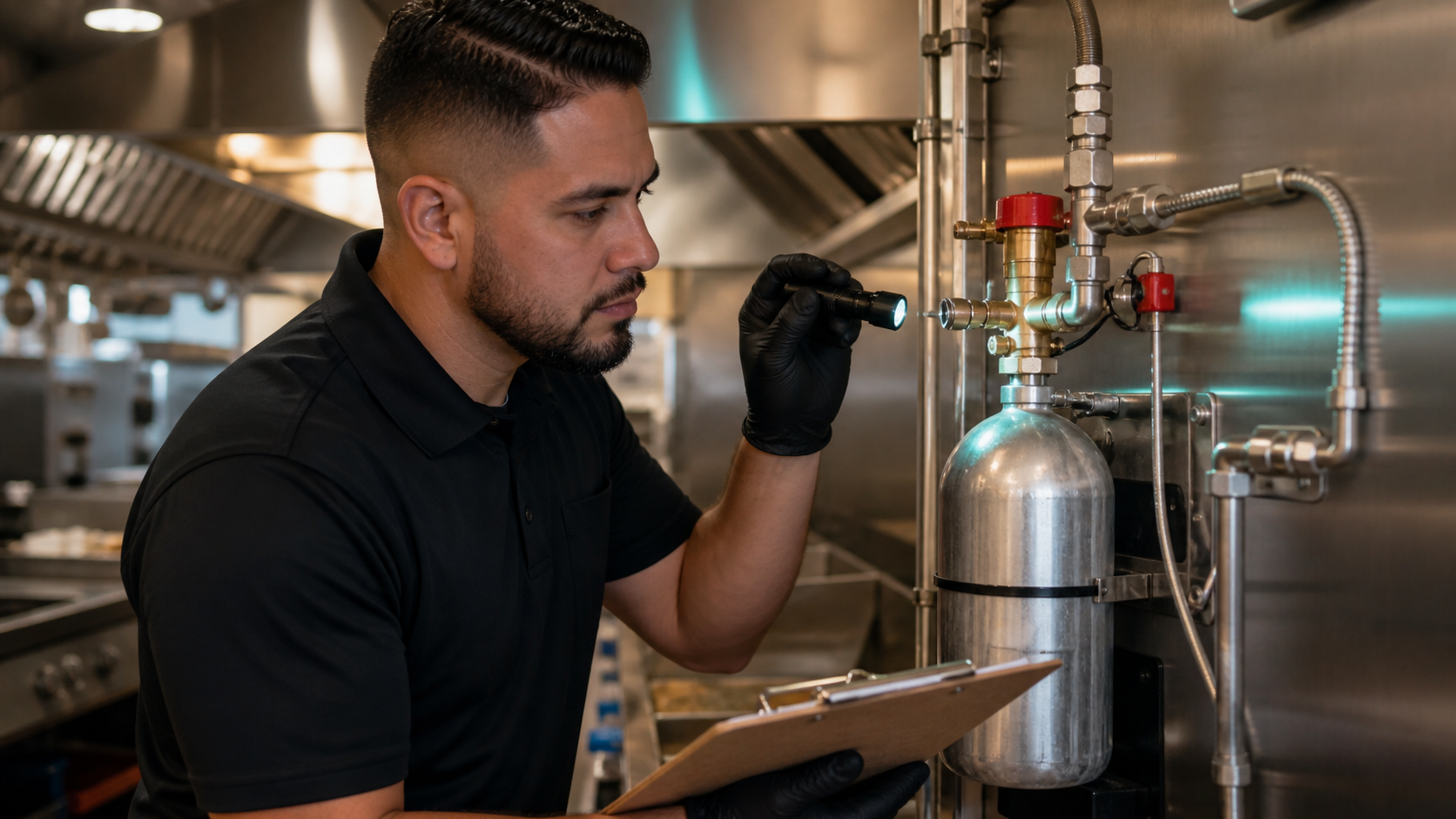
Recharge and Reset
Recharge and reset needs can be included in a multi-location request with the current conditions and details for the affected restaurant.
View service →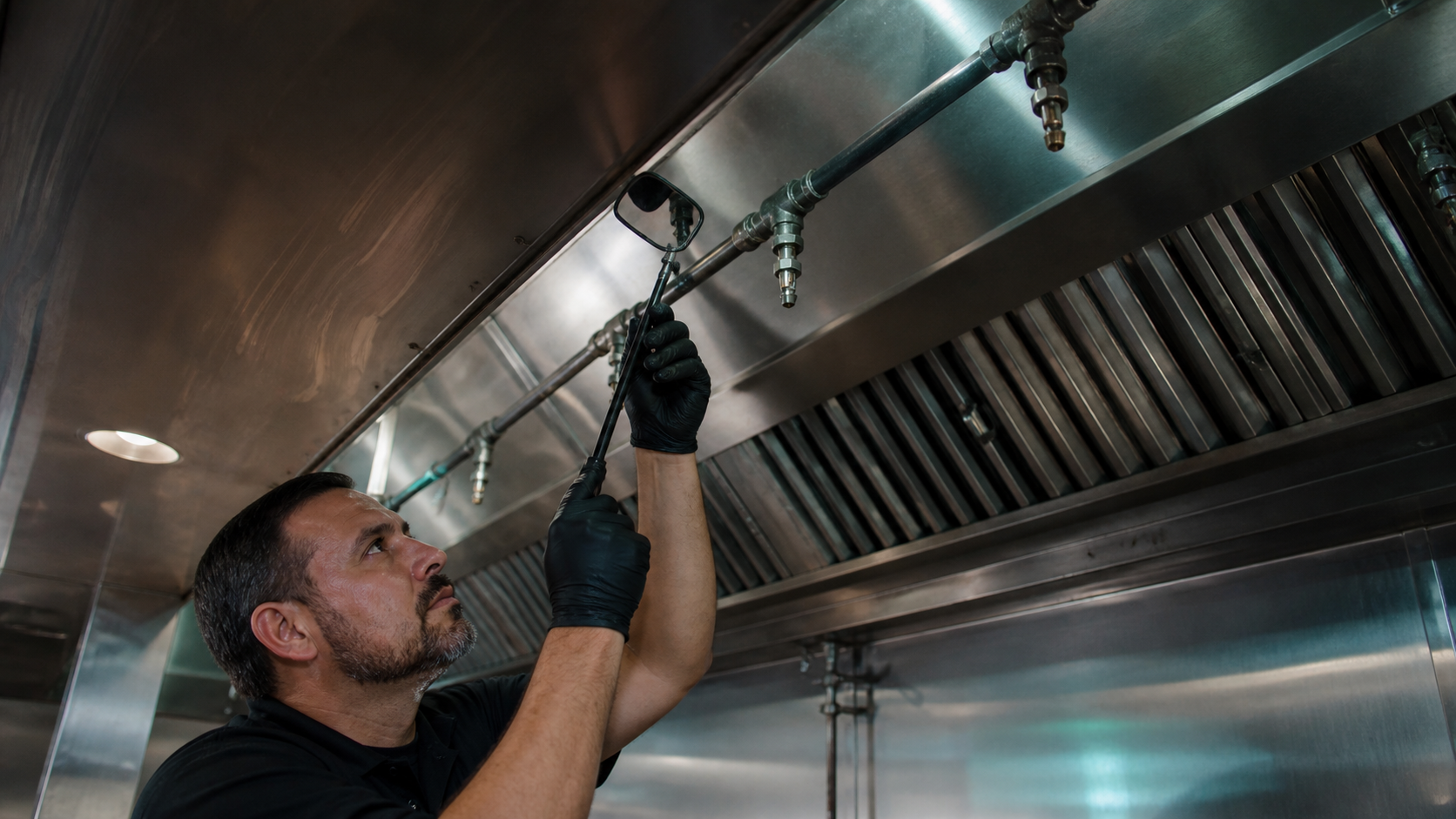
Modification
Cooking-equipment changes should be reported for the individual location so commercial kitchen hood fire suppression modification needs can be reviewed in context.
View service →
Installation and Replacement
Installation and replacement requests should include the restaurant location, protected hoods, equipment information and any relevant access details.
View service →Broward County Multi-Location Restaurant Questions
Kitchen Hood Fire Suppression Broward serves multi-location restaurant operators throughout Broward County. Call (305) 680-5778 to discuss the number of locations and current priorities, or submit a request with location-specific service information.
Coordinate Restaurant Group Service in Broward County
Submit the number of restaurant locations and current priorities, along with each address, manager, service-tag date, protected hoods, access details and known deficiencies. Kitchen Hood Fire Suppression Broward can discuss recurring fire suppression service dates and location-specific scheduling across Broward County.