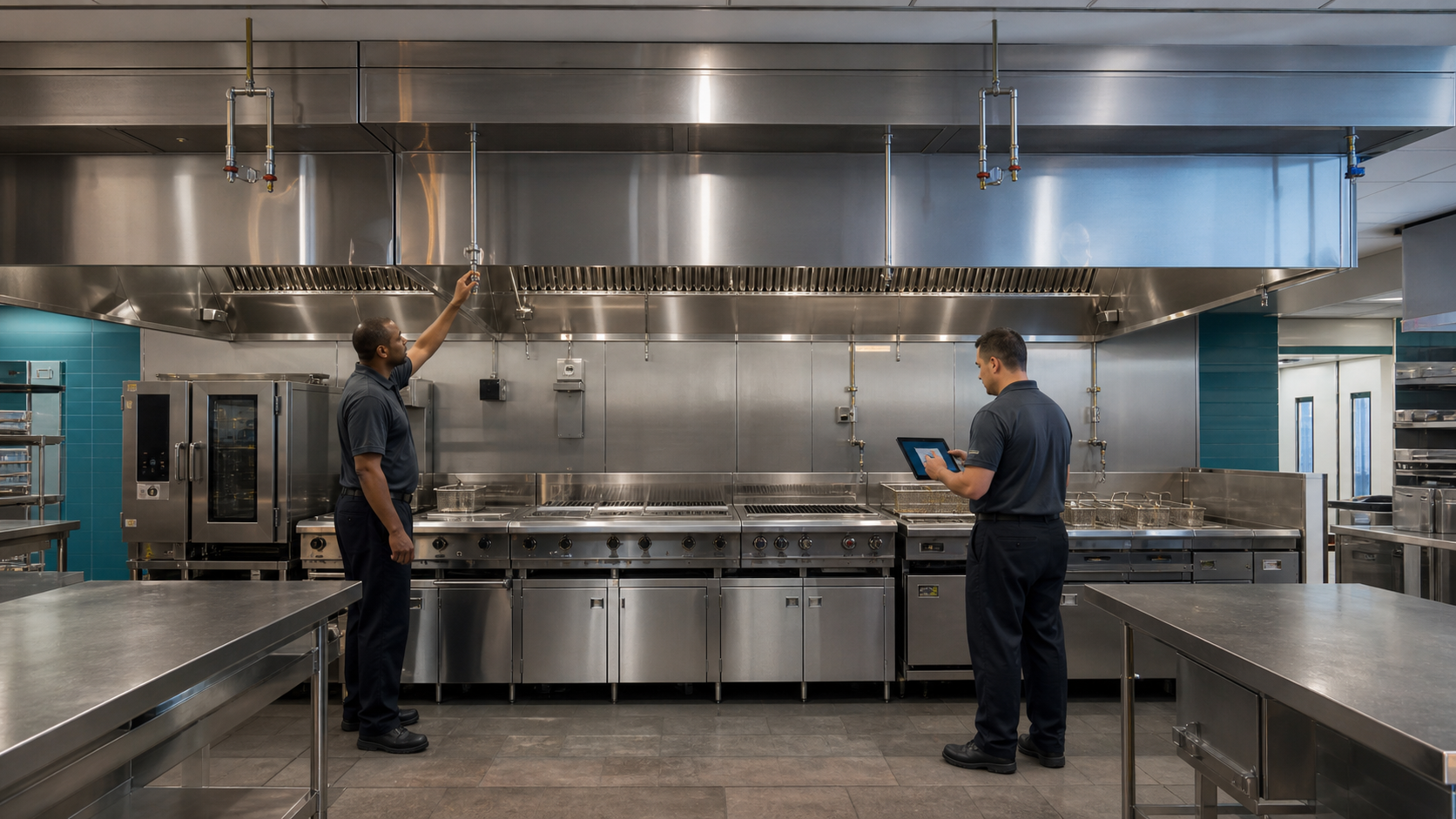
Commissary Fire Suppression Services Across Broward County
Kitchen Hood Fire Suppression Broward provides inspection and service for Broward County commissaries and shared commercial kitchens. Facilities with several users, changing appliance arrangements, or multiple protected hoods benefit from clear coordination of systems, tenants, and service dates before scheduling.
Fire Suppression Inspections for Broward County Shared Kitchens
Broward County shared kitchens should maintain fire suppression records at the facility level while documenting which cooking areas each tenant uses. A shared facility may have several users and more than one protected hood, so the facility record should make the responsible cooking areas clear.
Identify all protected hoods before scheduling service. Each system should remain connected to the cooking area it protects, the tenant using that area, and the applicable service date. This helps the authorized facility contact coordinate access and provide complete information for the visit.
The party responsible for fixed fire suppression equipment should coordinate access for inspection, maintenance, repair, recharge and reset work. Relevant tenant contacts can be included when their cooking areas are involved, while the fixed-system records remain organized at the facility level.
Do not rely on one tenant’s hood-cleaning receipt as a fire suppression system-service record. Fire suppression inspection and service records should identify the correct protected system and cooking area. Separate tag dates and deficiencies should remain tied to the correct system.
A commissary or shared commercial kitchen can have multiple protected hoods under one management structure. Listing those hoods, the users connected to them, and their service dates supports clear fire protection coordination throughout the facility.
Before scheduling, identify the protected hoods, responsible facility contact, relevant tenants, and service dates involved.
Request ServiceKeep Each Protected Hood Connected to Its Record
A shared kitchen may contain multiple protected hoods serving different cooking areas. Even when one facility contact manages the building, each system should be identified separately so service dates, tags, and deficiencies are not combined or overlooked.
Protected Hoods
Identify every protected hood in the commissary or shared kitchen before scheduling. This provides a clear starting point for coordinating inspection and service at the facility level.
Tenant Cooking Areas
Document which cooking areas each tenant uses. Relevant tenant contacts can be included in the request while the authorized facility contact coordinates access to fixed fire suppression equipment.
Separate Service Dates
Service dates and tag dates should remain connected to the correct system. A record for one hood should not be treated as a record for another protected hood in the same facility.
System-Specific Deficiencies
When a deficiency is identified, keep it tied to the correct fire suppression system and cooking area. Clear system-level records help the facility contact understand what requires follow-up.
Facility-level coordination does not mean treating multiple hoods as one system. Identify each protected hood and its records before booking an inspection or maintenance visit.
Fire Protection Review When Broward County Commissary Equipment Changes
Broward County commissaries may rotate or replace cooking equipment as production needs change. A revised appliance arrangement should be evaluated for its relationship to existing fire protection coverage rather than assumed to fit the existing system.
Before Moving Equipment
Call before moving fire suppression components or assuming movable commercial cooking equipment does not affect the system. Provide the facility contact, affected cooking area, and the equipment change being considered.
When Equipment Is Replaced
Replacing or rotating equipment can change the appliance arrangement beneath a protected hood. The revised arrangement should be reviewed for its relationship to existing fire protection coverage.
When a Tenant Changes
A new tenant or changed production arrangement may change how a cooking area is used. Keep the facility record current by noting the users and appliance arrangement connected to each protected hood.
When Multiple Hoods Are Involved
A change affecting one cooking area should be associated with the correct hood and fire suppression system. Multiple protected hoods should continue to have separate records, dates, and deficiency information.
Equipment changes should be evaluated for their relationship to existing fire protection coverage.
Planning an equipment move or replacement in a shared commercial kitchen? Discuss the protected cooking area before changing the arrangement.
Fire Suppression ModificationCoordinating Fire Suppression Service for a Shared Kitchen
Shared commercial kitchens benefit from service coordination that starts with the fixed systems. The authorized facility contact can define the protected hoods, the tenants using each cooking area, and the service dates that need attention before a visit is scheduled.
The Authorized Facility Contact
The party responsible for fixed fire suppression equipment should coordinate the request. That contact can provide access information and identify the systems involved in the visit.
Relevant Tenant Contacts
Relevant tenant contacts should be included when their cooking areas are involved. This supports access and communication without losing the facility-level record for the fixed system.
System and Hood Inventory
Identify all protected hoods before service is scheduled. A complete inventory helps keep each system’s tag dates, service history, and deficiencies associated with the proper cooking area.
Records That Match the System
Separate tag dates and deficiencies should remain tied to the correct system. One tenant’s hood-cleaning receipt is not a replacement for a fire suppression system-service record.
Kitchen Hood Fire Suppression Broward coordinates commercial kitchen hood fire suppression and fire protection services across Broward County. Facility contacts can request service for shared kitchens, commissaries, and commercial food-production spaces.
Prepare the Details Before Scheduling Service
Before scheduling, the authorized facility contact should define the systems, tenants, and service dates involved. This helps clarify the scope for a shared commercial kitchen with multiple users or protected hoods.
Start by identifying the fixed fire suppression equipment and the cooking areas it protects. Note which tenants use those areas and whether equipment arrangements have changed since the prior service.
If cooking equipment has been rotated, replaced, or moved, include that information with the request. Appliance type and position can affect the relationship between cooking hazards and fire suppression components.
For facilities with multiple protected hoods, provide the information separately for each system. Keeping the details distinct supports clear coordination of access, records, tag dates, and deficiencies.
The service request can include the facility contact, relevant tenant contacts, protected hoods, cooking areas, equipment changes, and the service dates involved. This gives the visit a clear facility-level starting point.
Service for Commissaries and Shared Commercial Kitchens
Kitchen Hood Fire Suppression Broward provides commercial kitchen hood fire suppression and fire protection services for shared kitchens and commissaries. Service can be coordinated around the fixed systems and the cooking areas they protect.
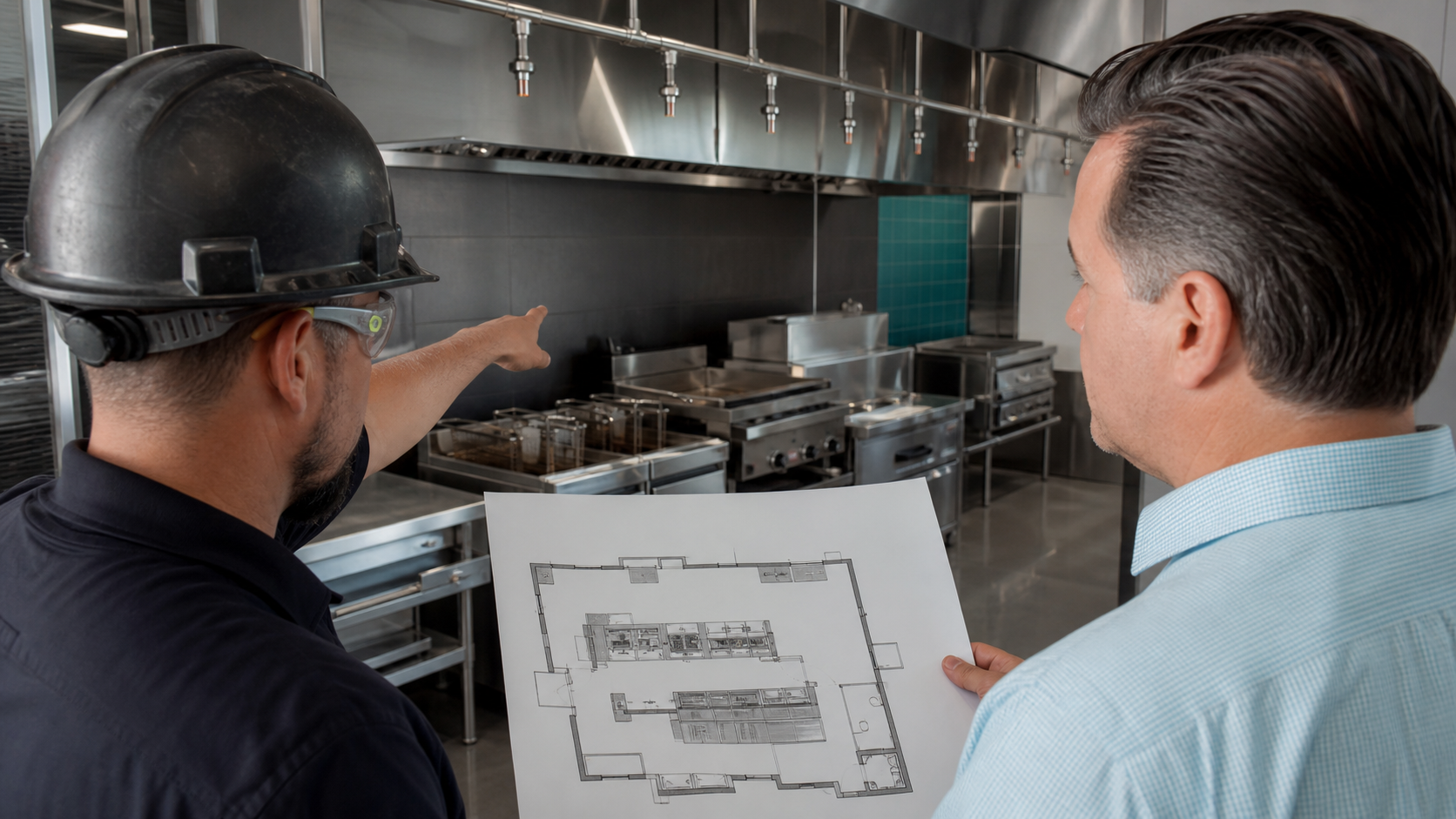
Inspection
Inspection service for protected kitchen hood fire suppression systems, coordinated with the facility contact and the applicable cooking areas.
View service →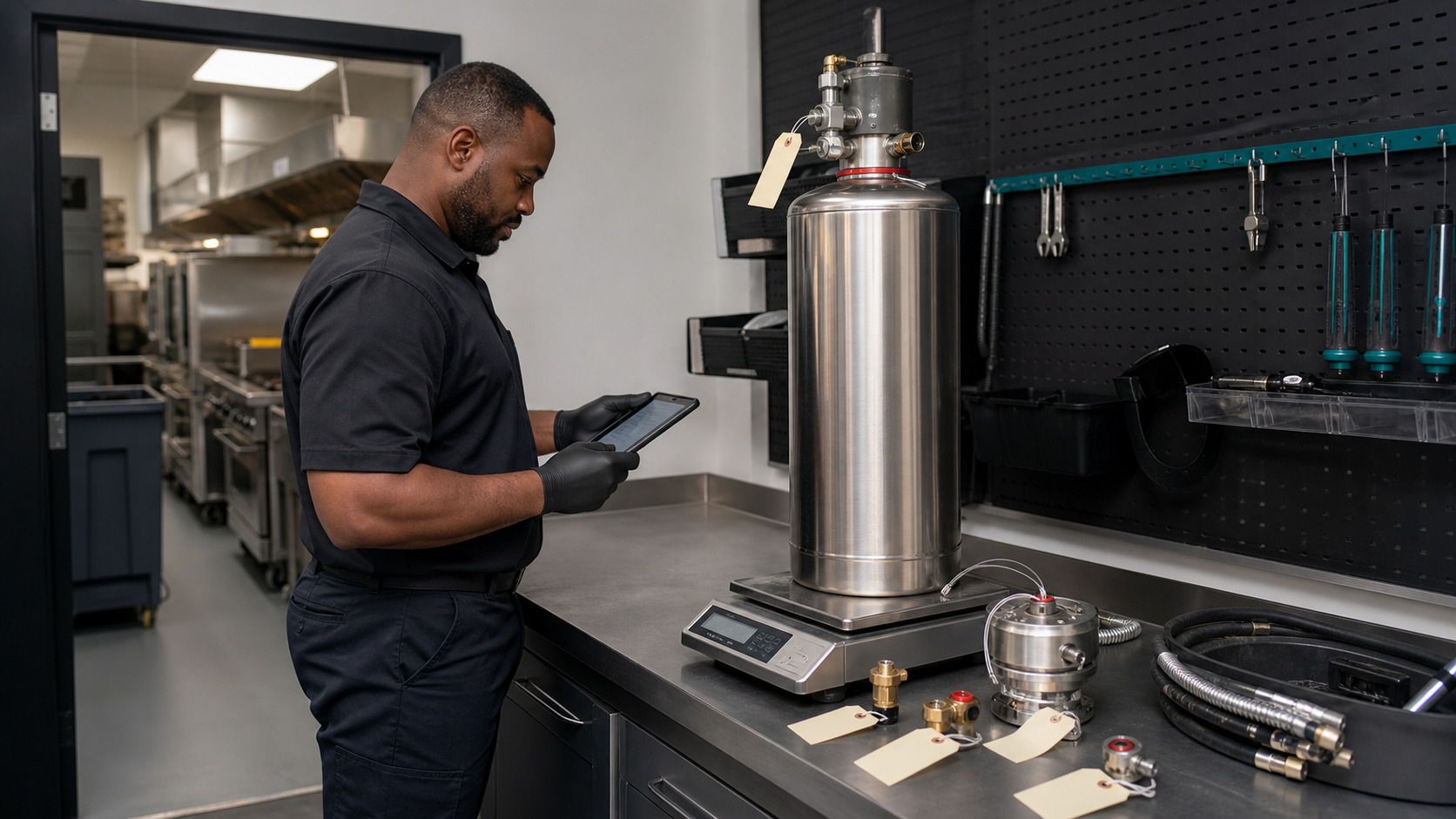
Semiannual Recurring Service
Recurring fire suppression service for commercial kitchens, with records organized around the correct protected system.
View service →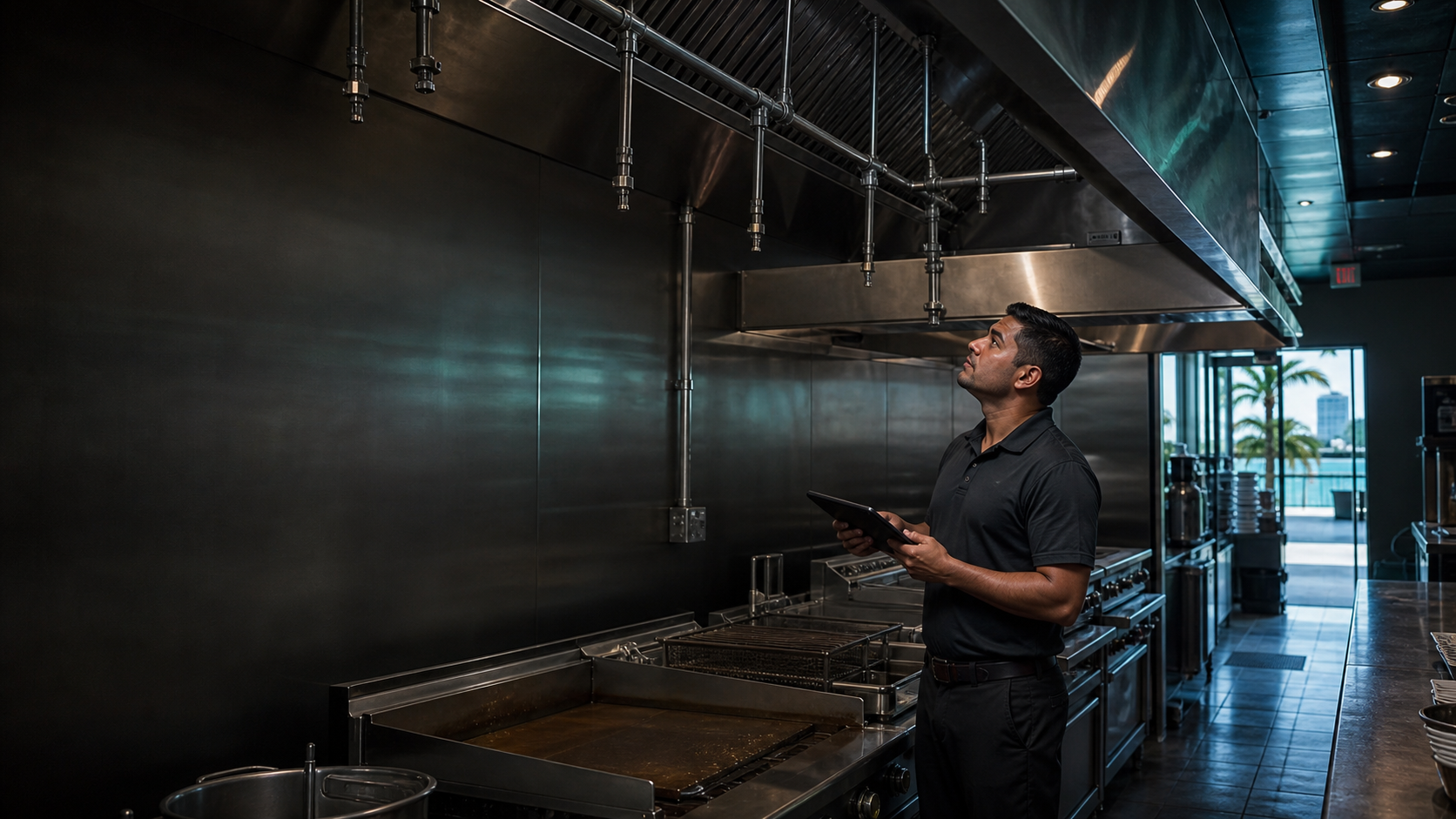
Recharge and Reset
Recharge and reset service for kitchen fire suppression systems when service is needed following a system discharge.
View service →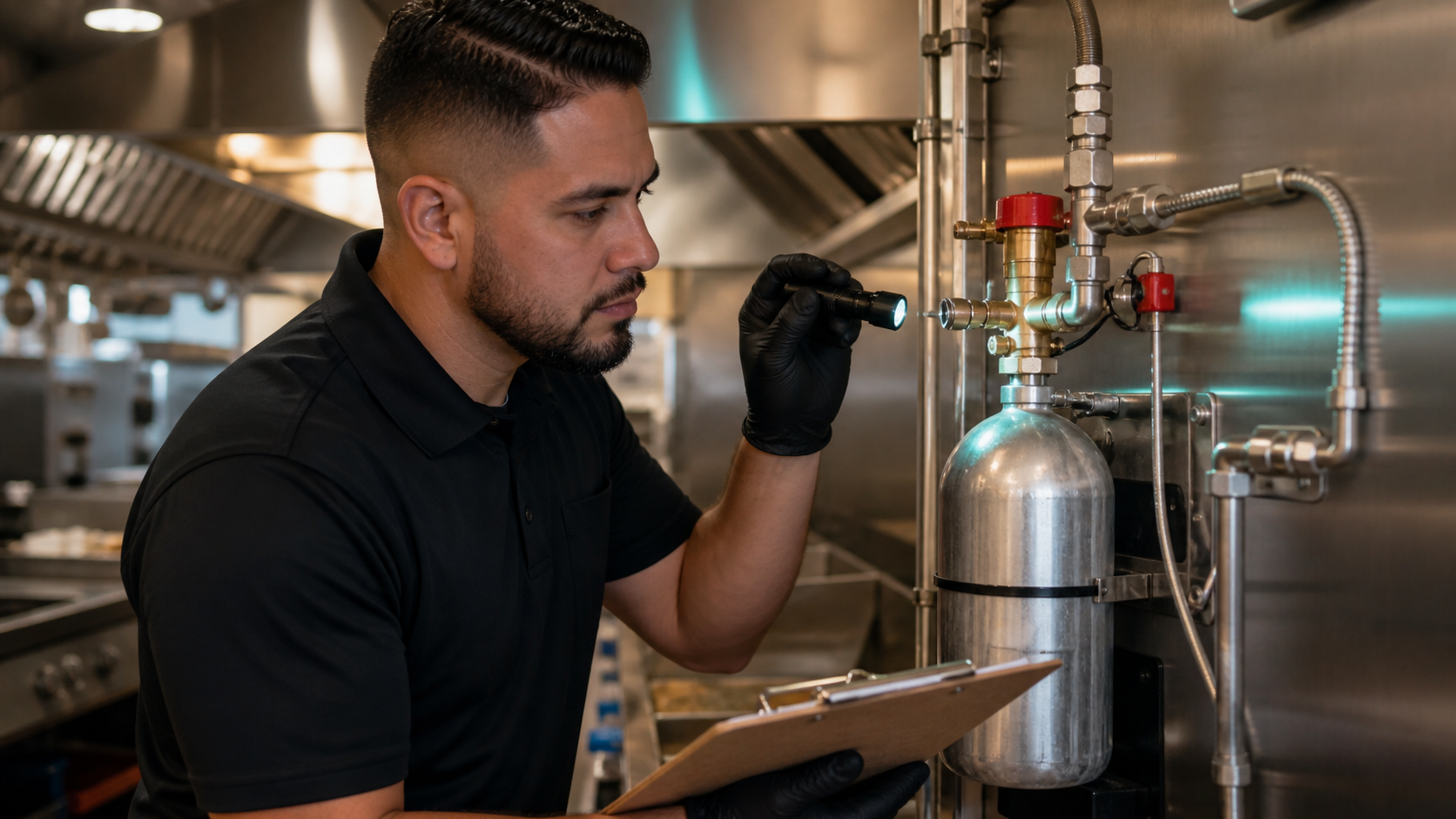
Installation and Replacement
Installation and replacement services for commercial kitchen hood fire suppression systems and protected cooking areas.
View service →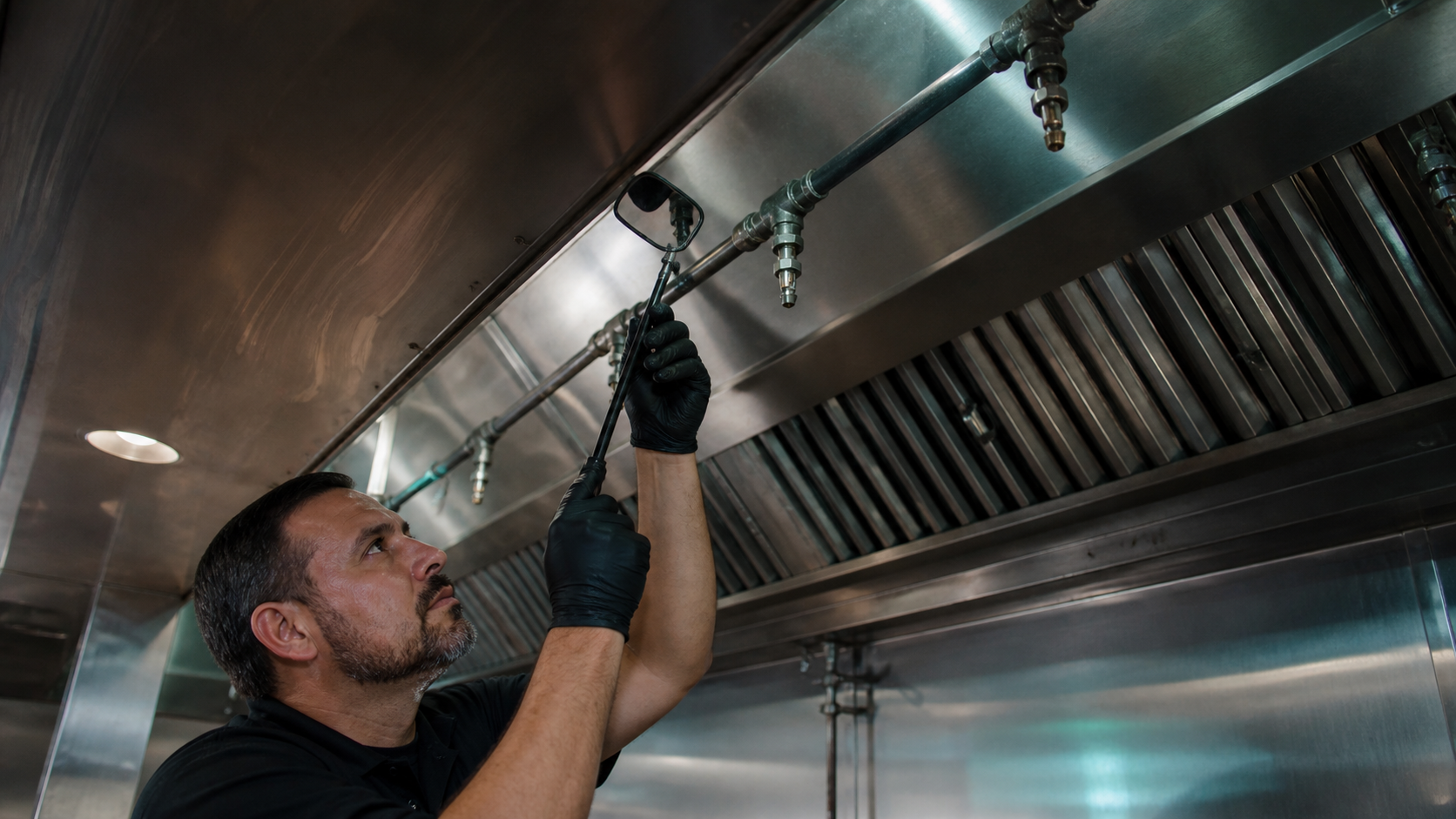
Modification
Fire suppression modification after equipment changes, including review of the relationship between the revised appliance arrangement and existing coverage.
View service →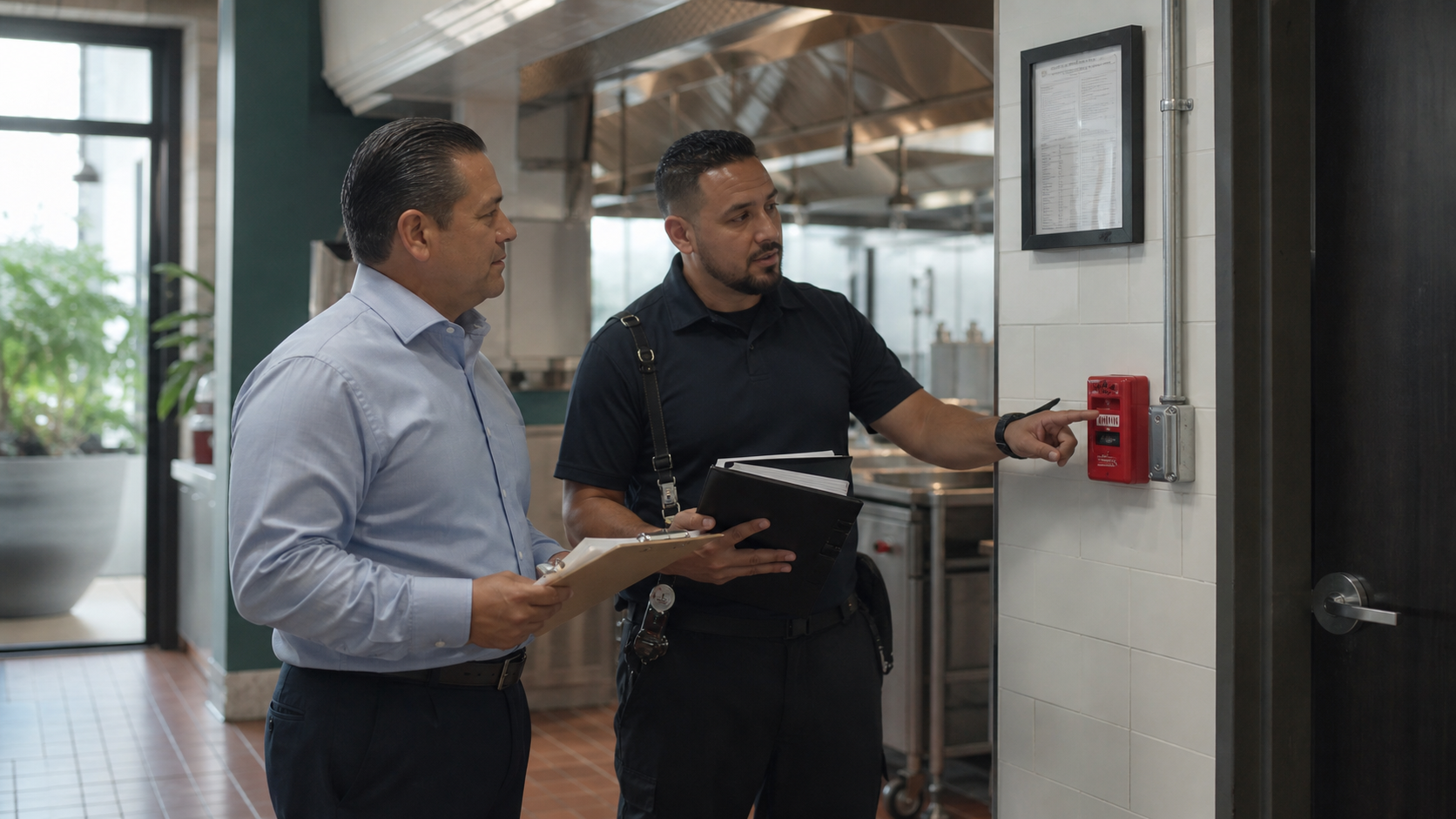
Repair and Deficiency Correction
Repair and deficiency correction services for commercial kitchen fire suppression systems, with deficiencies kept tied to the correct system.
View service →Broward County Commissary and Shared Kitchen Questions
For commissary and shared kitchen service in Broward County, provide the authorized facility contact, protected hoods, relevant tenant contacts, equipment changes, and service dates involved.
Coordinate Your Shared Kitchen Service
Tell us about the protected hoods, the cooking areas each tenant uses, the authorized facility contact, and any equipment changes. Kitchen Hood Fire Suppression Broward coordinates commercial kitchen hood fire suppression and fire protection services across Broward County.